



- Corporate
- Ecodesign
A hundred thousand visitors to the environmental centres of the Basque Governments Ekoetxea Network in 2019
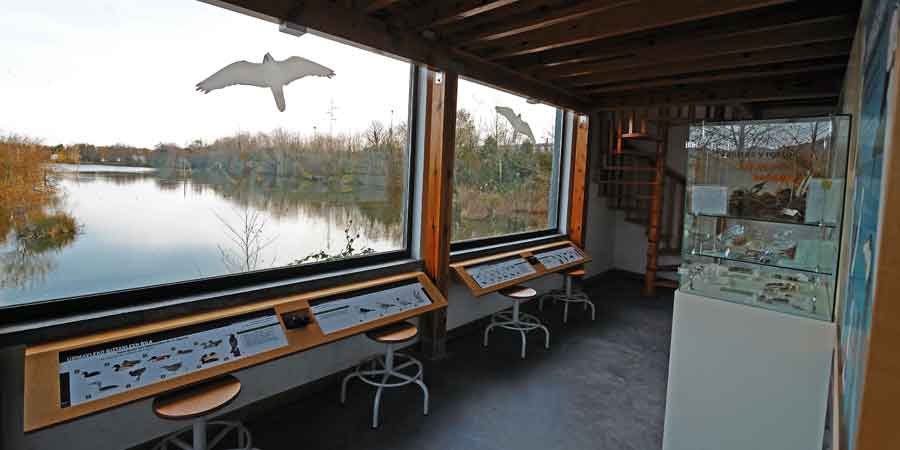
Special mention should be made of Ekoetxea Urdaibai within this network of centres. It was visited by 67,000 people last year, meaning that it had welcomed over half a million visitors since it opened in June 2008. Its broad range of sustainability-related leisure and educational activities has been key to achieving this record. During 2019, this centre organised over 450 activities and served over 14,000 schoolchildren from over 170 centres who took part in its School Educational Programme. As regards the rest of the network, nearly 14,000 people visited Ekoetxea Peñas Negras, 14,000 the Txingudi centre and 5,000 the one at Azpeitia.
Over half a million people have visited Ekotxea Urdaibai since it opened in 2008
The Basque Countrys Ekoetxea Network plays a fundamental role in the field of environmental education for sustainability. This network is one of the core instruments to disseminate and work with Basque citizens on our key environmental aspects and offering them clear guidelines to allow them to take action, explained Iñaki Arriola, the Basque Minister for the Environment, Territorial Planning and Housing.
The Ekoetxea network is a key instrument of the Environmental Education for Sustainable Development Strategy
The public network of Ekoetxea centres has a skilled team of educators who analyse educational trends, methodologies and strategies to offer the visitors the best experiences, adapted to ages, profiles and demands.
World Environmental Education Day
Sunday 26 January is World Environmental Education Day. It was celebrated for the first time in 1975, the year in which the International Seminar of Environmental Education was held in Belgrade and which attracted experts from over 70 countries.
The principles of environmental education in the framework of United Nations programmes were established during the seminar. The Belgrade Charter was published, which set out the fundamental demands of environmental education, whose goals are: to develop a world population that is aware of, and concerned about, the environment and its associated problems, and which has the knowledge, skills, attitudes, motivations and commitment to work individually and collectively in the search for solutions for current problems and the prevention of new ones.
Source: Ihobe


