



The ESG approach allows the global performance of an organisation to be assessed in terms of sustainability. This approach has been consolidated as an international standard to analyse how companies manage their impact on the environment, their relationship with people and the quality of their corporate government practices.
| Environment (E) | Includes areas linked to climate change and reducing emissions, the efficient use of water and energy, conserving biodiversity, the circular economy, the responsible management of waste and other initiatives aimed at minimising the environmental impact. |
| Social (S) | It addresses factors such as customer satisfaction, diversity and gender equality, programmes to support vulnerable groups, the contribution to the community, training and professional development, along with respecting human rights throughout the value chain. |
| Governance (G) | Refers to the essential aspects of good corporate governance: transparency, business ethics, regulatory compliance, pay equity, cybersecurity and responsible sourcing. |
Integrating ESG criteria is not just a regulatory requirement for large corporates. It is also a strategic strategy to build trust, attract investment and bolster competitiveness on ever more demanding markets. The current European regulatory framework requires greater rigor and transparency in the information published by companies.
In the Basque Country, and with the aim of harnessing these opportunities for the productive fabric, the Basque Government has been the driving force behind the BasquESG initiative, a transformative project aimed at rolling out a common sustainability assessment and reporting system among Basque SMEs.
In recent years, the European Union has developed a very broad and demanding framework in terms of business sustainability. Even though the regulations are mainly aimed at large corporates and financial institutions, their impact is directly passed on to SMEs through supply chains, financial institutions and public administrations.
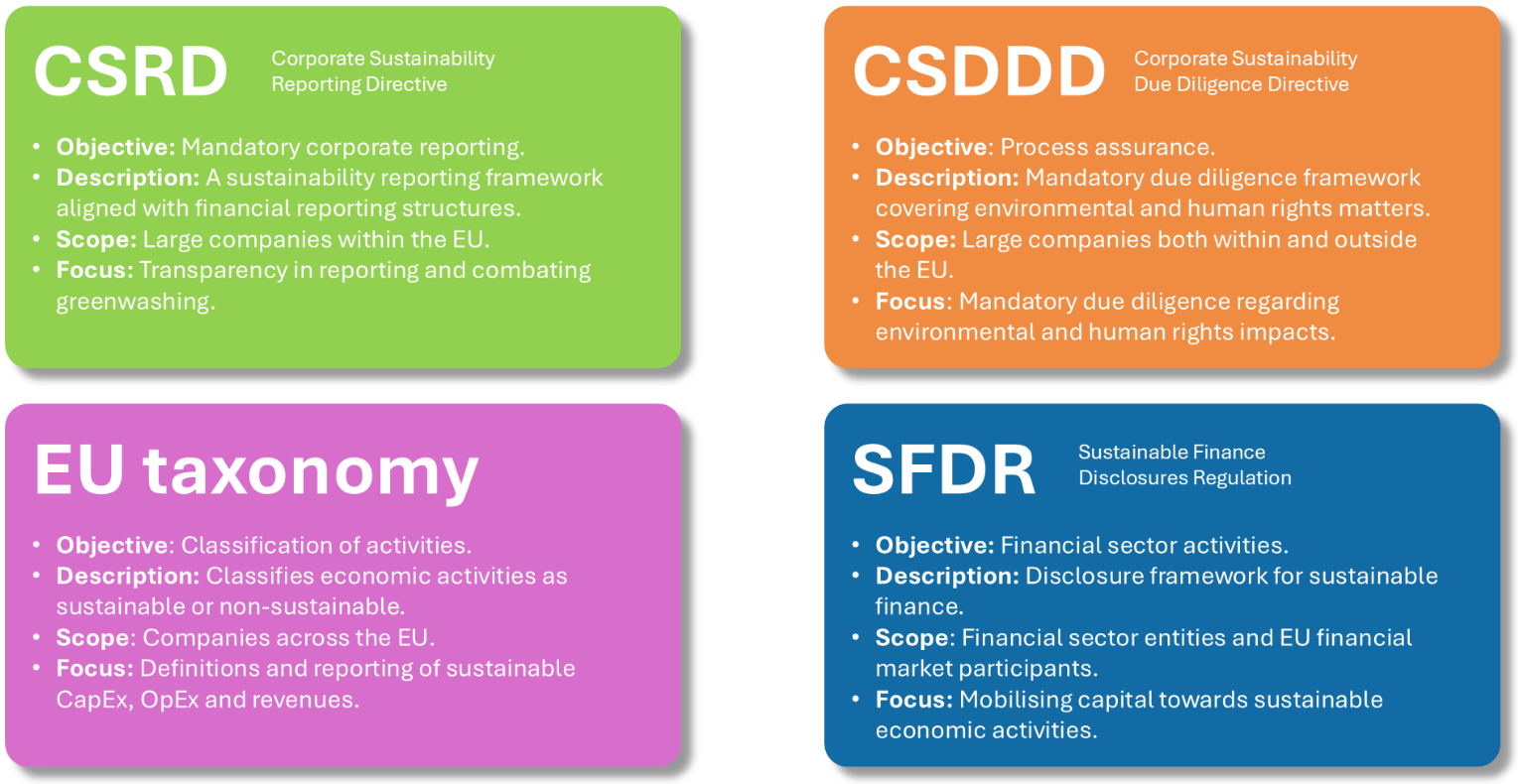
The main standards of the European framework regarding sustainability information include:
It establishes a compulsory and exhaustive ESG reporting system for large corporates at European level. Its goal is to ensure transparency, comparability and rigour, and to fight against greenwashing.
It introduces due diligence obligations regarding human rights and the environment in large corporates within and outside the EU, which must oversee the ESG performance of their whole value chain, including that of supplier SMEs.
It classifies which economic activities are considered sustainable and requires information about sustainability-related investments, CapEx, OpEx and revenue.
It requires the European finance sector to report how its products and investments include ESG criteria, which increases the need to obtain data from the financed SMEs.
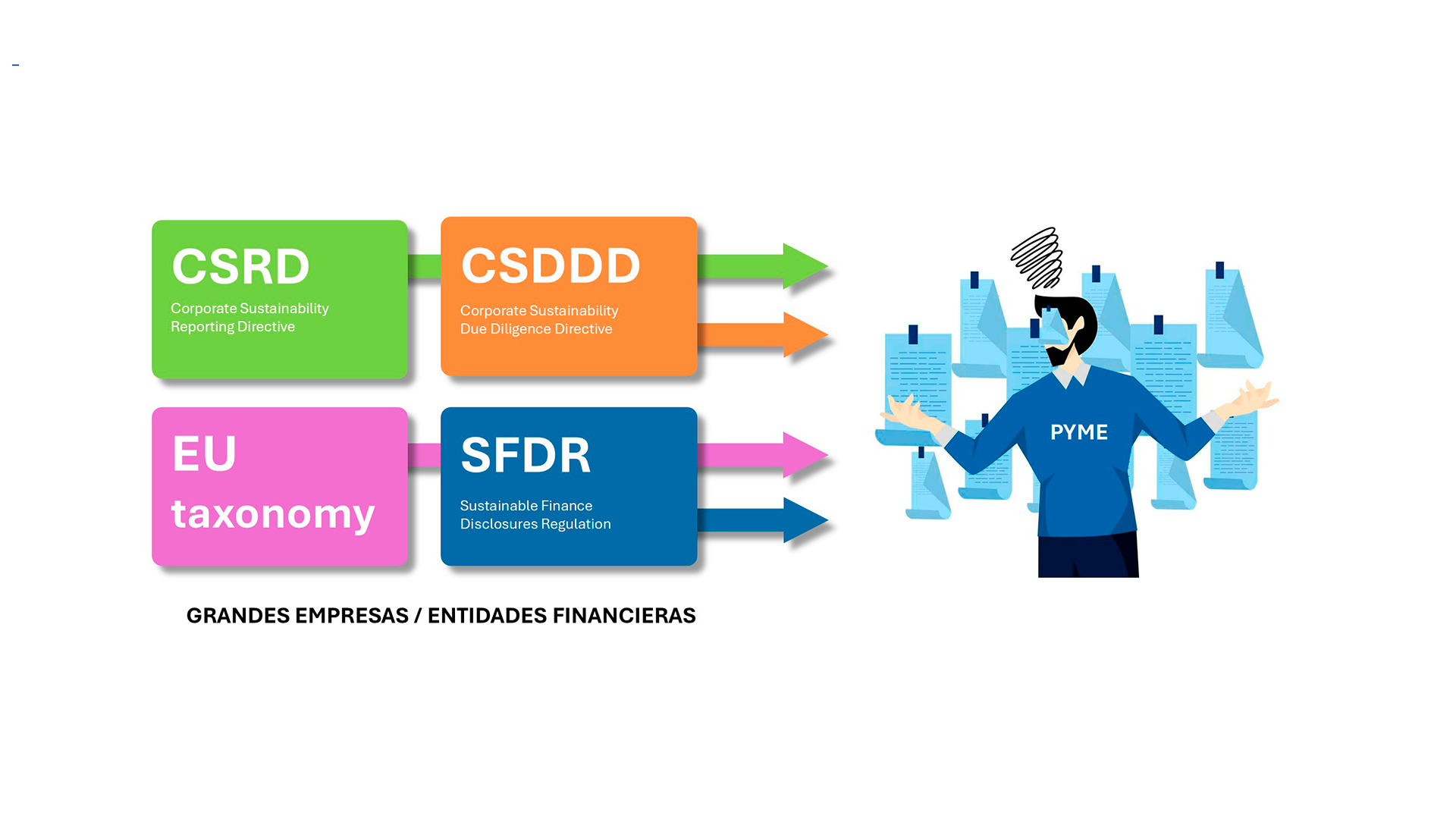
Even though SMEs are not directly bound by these regulations, large corporates and financial institutions depend on the ESG information from their suppliers to comply with them. Therefore, SMEs are receiving increasingly more requests for sustainability information from:
| Large trailblazing companies | Financial institutions | Public administrations |
This is compounded by the pace of new European regulations that are driving greater transparency in sustainability. With that in mind, having a clear, common system that is adapted to the capacities of the SMEs is essential.
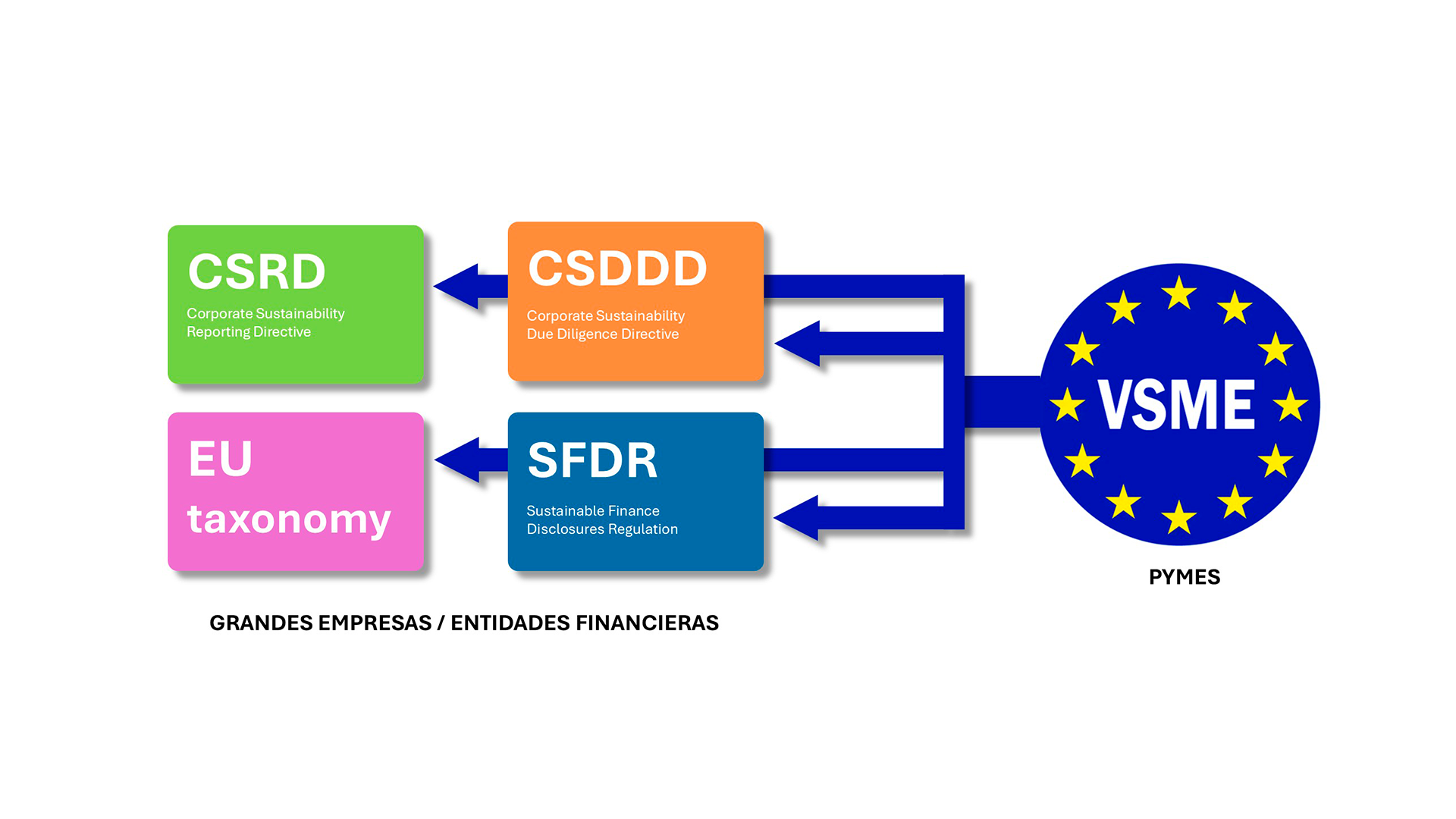
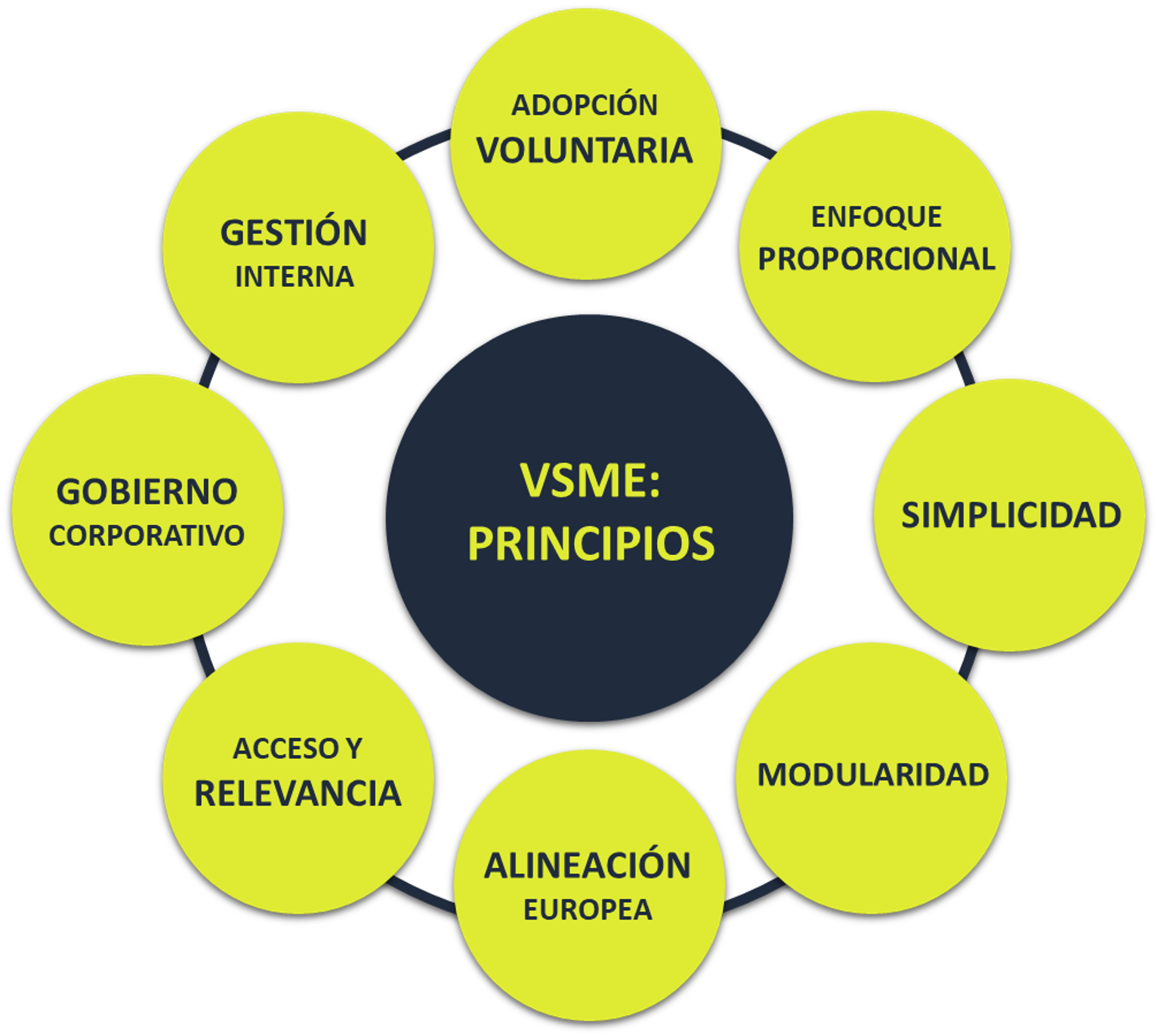
To meet the different types of sustainable information requests, EFRAG, the European Commission’s advisory group on sustainability and financial reporting, has developed the VSME (Voluntary Sustainability Reporting Standard for non-listed SMEs), a unified and streamlined sustainability reporting system specifically designed for SMEs. This allows SMEs to submit their ESG data in a simple, coherent manner and aligned with Europe.
SMEs interested in delving further into the VSEM standard should consult the publication prepared by Ihobe, which sets out the voluntary sustainability reporting framework and practical guidance for its uptake.
-
Streamlines relationships within the supply chain: It helps SMEs to easily deliver the ESG information that large corporates may require, thus unifying the requests to avoid different formats between customers and stakeholders.
-
Reduces the bureaucratic burden: Less effort is required to answer multiple non-standardised requests thanks to a common framework, adapted to the size and capacities of the SMEs and much simpler than the CSRD.
-
Better access to financing: Structured and comparable ESG information enables SMEs to better meet the requirements of banks and investors. The door is thus opened to greater and better financing opportunities.
-
Guarantees standardisation and comparability: It provides a common language to report sustainability, thus facilitating the comparison with other companies and strengthening transparency for European markets and customers.
-
Aligns SMEs with European directives: It avoids duplications and ensures coherence with the main European sustainability regulations.
The European Commission, through Recommendation (EU) 2025/1710, of 30 Julye 2025, establishes clear guidelines regarding the use of the VSME standard:
-
Recommendation to the Member States: The European Commission encourages the Member States to foster the use of the VSME, by raising awareness among SMEs of its advantages, supporting its uptake and by facilitating digital reporting solutions so companies can report in a streamlined and automated way.
-
Recommendation to trailblazing companies and financial institutions: Large corporates, financial institutions and other stakeholders that request ESG information from SMEs should limit their requirements to what is established in the VSME; they should avoid requiring their own formats and should reduce the bureaucratic burden for small companies.
- Recommendation for SMEs: The Commission suggests that SMEs and micro-undertakings that wish to voluntarily report sustainability information do so as per the VSME; that applies to third-country companies. Furthermore, they can draw on the practical guidance in the Recommendation to facilitate its uptake.
